
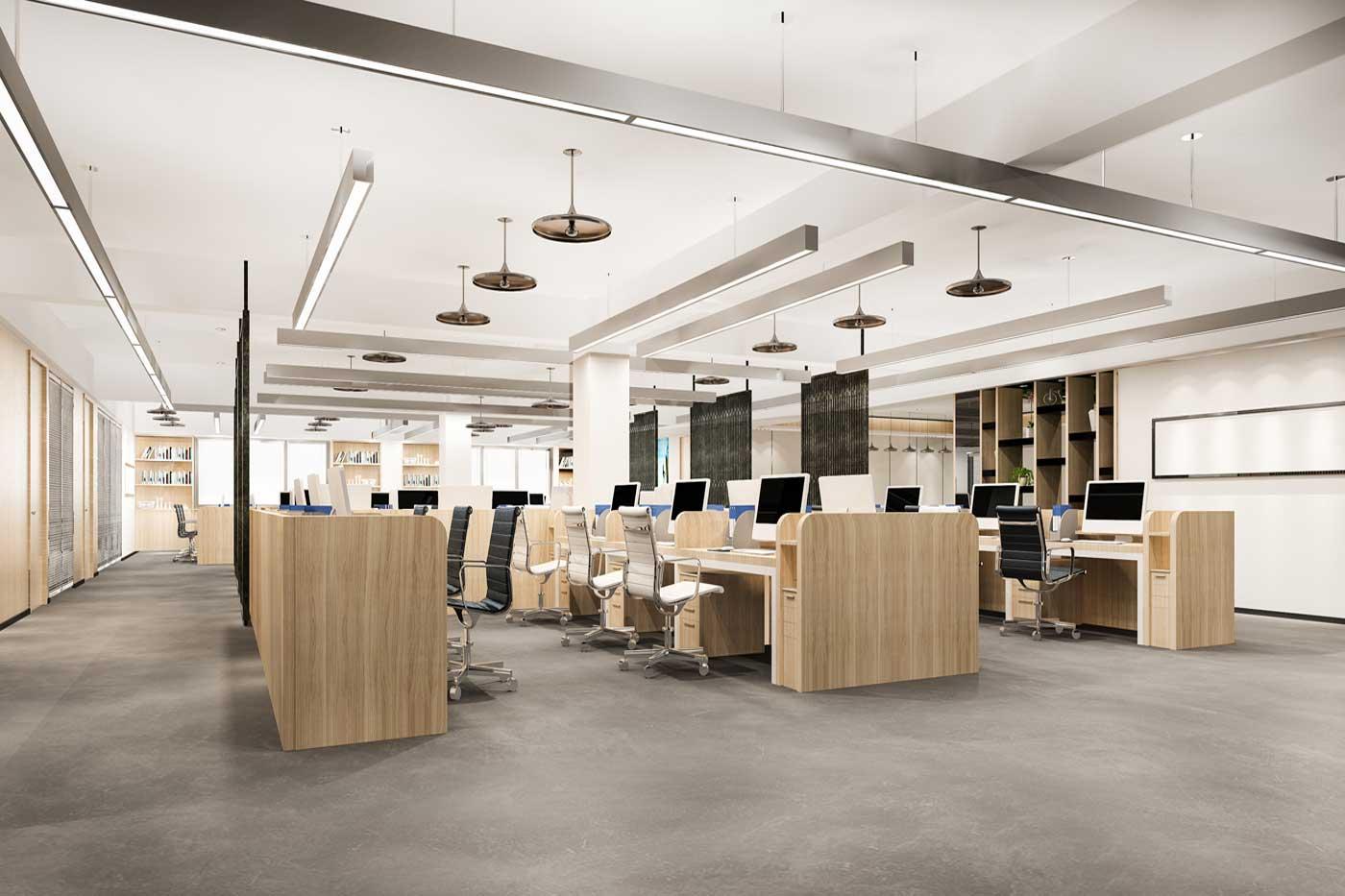
Best Offices for 10–20 Person Teams

For a team of 10–20 people, choosing the right office becomes a more strategic decision.
At this size, the business usually needs more than a room with enough desks.
Meeting rooms, private call space, breakout areas, employee experience, transport links and future growth all become more important.
The office also needs to work commercially.
Taking too much space can create unnecessary cost, while taking a rigid office with no room to grow can force the company into another move much sooner than expected.
Dublin offers a wide range of options for 10–20 person teams, from larger serviced offices to managed offices and traditional leased space.
At Ping Offices, we help growing companies compare these options based on current headcount, future hiring plans, preferred locations, budget and working style.
What Does a 10–20 Person Team Need from an Office?
The requirements of a 10–20 person team are usually more complex than those of a very small business.
The company may need:
- A private office for the main team
- One or more meeting rooms
- Phone booths or private call space
- Breakout areas
- Reliable high-speed internet
- Storage
- Kitchen facilities
- Space for future hires
- Good public transport access
- A professional environment for clients and employees
The exact mix will depend on how the team works.
A 15-person company where everyone attends the office daily may need a different setup from a 20-person hybrid team where only 10–12 people attend on a typical day.
The office search should start with actual working patterns, not simply total headcount.
Dublin 2
Dublin 2 remains one of the strongest locations for teams of 10–20 people.
Areas including St Stephen’s Green, Baggot Street, Harcourt Street, Merrion Square and Fitzwilliam Square offer a wide mix of office types.
The area can work particularly well for:
- Professional services firms
- Technology companies
- Recruitment businesses
- Financial services firms
- International companies
- Consultants
- Growing SMEs
Dublin 2 offers a broad range of:
- Serviced offices
- Managed offices
- Georgian office buildings
- Modern business centres
- Traditional leased offices
The main consideration is cost.
Prime office space in Dublin 2 can command a premium.
However, the area also offers a wide variety of buildings and office formats, so there can be significant differences in value between options only a short distance apart.
For a 10–20 person team, comparing the full market is particularly important.
St Stephen’s Green
St Stephen’s Green is one of Dublin’s most recognised business locations.
For companies that regularly meet clients, investors or international visitors, the location can provide strong credibility and convenience.
Advantages include:
- A prestigious business address
- Central location
- Strong transport links
- Access to restaurants and hotels
- High-quality office buildings
- Proximity to major professional services firms
The area can be expensive, but for client-facing teams the location may justify the premium.
For a 10–20 person company, the key is to compare different buildings and office types rather than assume every option around the Green will be priced the same way.
Baggot Street and Fitzwilliam Area
The Baggot Street and Fitzwilliam area is another strong location for growing teams.
It combines a central business address with a mix of Georgian buildings, serviced offices and larger managed spaces.
The area can suit:
- Professional services firms
- Finance companies
- Recruitment businesses
- Property companies
- International businesses
- Technology teams
For a 10–20 person company, this part of Dublin can provide more variety than some of the larger corporate districts.
Businesses can compare character Georgian offices, modern serviced suites and larger private managed offices within a relatively small area.
Harcourt Street and Charlemont
Harcourt Street and Charlemont can work particularly well for growing teams.
The area provides:
- Luas access
- Strong city-centre connectivity
- Modern office stock
- Serviced and managed office options
- Restaurants and cafés
- Good access to the south side of Dublin
For employees commuting from different parts of the city, the transport connections can be a major advantage.
The area can also offer larger floorplates and flexible office options suitable for teams that expect to grow.
Grand Canal Dock
Grand Canal Dock remains one of Dublin’s strongest locations for technology companies and international businesses.
It can work particularly well for:
- SaaS companies
- Fintech businesses
- AI companies
- Software firms
- International teams
- Scaling startups
Advantages include:
- Modern office buildings
- DART access
- Strong public transport connections
- High-quality amenities
- Proximity to major technology employers
- A strong business ecosystem
For a 10–20 person team, Grand Canal Dock can provide excellent office quality.
The main challenge is often cost.
Premium offices in the area can be expensive, so companies should compare the commercial benefit of the location against other central options.
Sir John Rogerson’s Quay and the Wider Docklands
Sir John Rogerson’s Quay and the wider Docklands provide another strong range of options for 10–20 person teams.
The area offers:
- Modern office buildings
- Flexible workspace providers
- Managed office options
- Strong corporate surroundings
- Access to the city centre
- Proximity to international companies
For businesses expecting to grow, the area can be particularly attractive because some buildings and operators offer a range of suite sizes.
This can make it easier to move into larger space without changing location completely.
Ballsbridge and Dublin 4
Ballsbridge and Dublin 4 can suit established companies looking for a professional environment outside the busiest parts of the city centre.
The area can work well for:
- Professional services firms
- International businesses
- Consulting companies
- Finance businesses
- Corporate teams
Advantages include:
- Strong business addresses
- High-quality office buildings
- Good south-side transport connections
- Access to Grand Canal Dock
- A quieter working environment
For a 10–20 person team, Dublin 4 can provide good office quality and a professional setting.
The key consideration is whether the location works for employee commuting patterns.
Dublin 8
Dublin 8 can provide better value for growing teams that do not need a premium corporate address.
Areas around The Liberties and Newmarket offer a mix of:
- Flexible offices
- Serviced offices
- Studio spaces
- Creative work environments
- Larger private office suites
For companies that prioritise value, culture and flexibility, Dublin 8 can be a strong alternative to Dublin 2 or the Docklands.
It can work particularly well for:
- Creative businesses
- Agencies
- Technology startups
- Design companies
- Growing SMEs
The area can allow a team to secure more space or better amenities for the same budget.
Serviced Offices for 10–20 Person Teams
Serviced offices can be a strong option for teams in this size range.
They usually include:
- Furniture
- Internet
- Utilities
- Cleaning
- Shared meeting rooms
- Breakout space
- Phone booths
- Reception services
- Flexible contract terms
The main advantage is simplicity.
The company can move into a fully operational office without having to organise a fit-out, furniture, internet installation or utility contracts.
For businesses with uncertain growth plans, serviced offices also provide more flexibility than a traditional lease.
However, companies should examine the full commercial package.
Important questions include:
- How many meeting room hours are included?
- Are additional meeting room credits expensive?
- Can desks be added?
- Are larger suites available?
- What notice period applies?
- Can the company move within the building?
Managed Offices for Growing Teams
Managed offices can be particularly attractive for teams of 10–20 people.
At this size, companies often want more privacy and control than a standard serviced office provides.
A managed office may include:
- Dedicated meeting rooms
- Private kitchen facilities
- Executive offices
- Phone booths
- Collaboration areas
- Company branding
- Dedicated IT infrastructure
- A customised layout
For a 15- or 20-person team, this can provide a much stronger workplace experience.
The company gets more control over the office while avoiding many of the operational responsibilities of a traditional lease.
Traditional Leases for 10–20 Person Teams
A traditional lease can work for a company with stable headcount, strong cash flow and clear long-term plans.
The advantages can include:
- Greater control over the space
- Full company branding
- Freedom to design the layout
- Potential long-term cost efficiency
However, a leased office can also involve:
- Fit-out costs
- Furniture costs
- Internet setup
- Utilities
- Cleaning contracts
- Service charges
- Repairs and maintenance
- Dilapidation risk
- Longer contractual commitments
For a team of 10–20 people, the full cost needs to be understood clearly.
A cheaper headline rent does not automatically mean a lower total occupancy cost.
How Much Space Does a 10–20 Person Team Need?
There is no fixed answer.
The right amount of space depends on:
- Number of employees attending daily
- Hybrid working patterns
- Desk size
- Meeting room requirements
- Private office needs
- Storage
- Collaboration space
- Future hiring plans
A 20-person hybrid company may need less desk space than a 15-person team where everyone attends every day.
However, hybrid companies often need more:
- Meeting rooms
- Collaboration areas
- Phone booths
- Quiet spaces
- Informal meeting areas
The office should be planned around actual usage rather than a simple desks-per-person calculation.
Plan for Growth
A 12-person company can become an 18-person company quickly.
Before signing an agreement, businesses should understand how the office can support future growth.
Ask:
- Can more desks be added?
- Are larger suites available?
- Can adjoining offices be taken?
- Can the team move within the building?
- Is there expansion space nearby?
- Can the operator support growth across other buildings?
The right strategy is not necessarily to take a 30-person office immediately.
Paying for too much unused space can be wasteful.
A better option may be a right-sized office in a building that provides realistic expansion options.
Meeting Rooms Become More Important
As teams grow beyond 10 people, meeting room requirements usually increase.
The company may need space for:
- Internal team meetings
- Management meetings
- Client meetings
- Interviews
- Video calls
- Project meetings
A private office with 20 desks but poor access to meeting space may not work as well as a smaller office with strong shared facilities.
Before choosing an office, check:
- Number of available meeting rooms
- Size of meeting rooms
- Booking system
- Usage limits
- Additional costs
- Availability during busy periods
Meeting room access can have a major impact on how effectively the office works.
Phone Booths and Quiet Space
Modern teams spend significant time on video calls.
For a 10–20 person company, this can create a real operational problem if the office does not have enough private call space.
A good office should provide access to:
- Phone booths
- Small meeting rooms
- Quiet rooms
- Private offices
Without these spaces, employees may end up taking calls from their desks, creating noise and distraction for the rest of the team.
This should be considered during viewings, not after the company has moved in.
Hybrid Working
Hybrid working can significantly affect office requirements.
A company with 20 employees may only have 12 people attending on an average day.
However, the busiest day may still bring 18 or 20 employees into the office.
Before choosing a space, consider:
- Average daily attendance
- Peak-day attendance
- Whether employees have assigned desks
- Which teams attend on the same days
- Meeting room demand
- Client meeting frequency
- Collaboration requirements
Planning only around average attendance can create problems on busy days.
The office should work when occupancy is at its highest.
Recruitment and Retention
For growing businesses, the office can influence recruitment.
Employees may consider:
- Commute time
- Public transport
- Cycling facilities
- Showers
- Nearby restaurants
- Office quality
- Natural light
- Breakout space
- Access to outdoor areas
A cheaper office in the wrong location can create hidden costs if employees dislike the commute or the workplace environment.
For a team of 10–20 people, employee experience should form part of the office decision.
What Contract Length Makes Sense?
The right contract length depends on how predictable the business is.
A company with stable headcount and strong long-term visibility may benefit from committing for a longer period in exchange for better commercial terms.
A fast-growing company may place greater value on flexibility.
Options may include:
- Six-month licences
- Twelve-month agreements
- Two-year serviced office terms
- Managed office agreements
- Longer leases with break options
The lowest monthly rate is not always the best deal.
The value of flexibility should be considered against the risk of needing to move early.
Questions to Ask Before Choosing an Office
Before committing to an office, ask:
- What is included in the monthly cost?
- Is VAT charged?
- How much is the deposit?
- Are meeting rooms included?
- Are phone booths available?
- Is there room to add desks?
- Are larger offices available?
- What internet is provided?
- Is 24/7 access available?
- What notice period applies?
- What happens if the team grows?
- Are there additional charges?
The commercial comparison should include the complete package.
Two offices with similar headline prices can have very different overall costs and levels of flexibility.
How Ping Offices Can Help
Teams of 10–20 people often have a wide range of office options available.
The challenge is comparing them properly.
A business may be considering:
- A serviced office in Dublin 2
- A managed office in the Docklands
- A Georgian office in the Fitzwilliam area
- A larger flexible office in Dublin 8
- A traditional lease
At Ping Offices, we help growing businesses compare these options based on:
- Current headcount
- Future growth
- Budget
- Preferred location
- Working patterns
- Meeting room requirements
- IT requirements
- Contract flexibility
As an independent office advisory business, we compare options across the market rather than representing one landlord or office provider.
We can prepare a shortlist, arrange viewings, compare commercial proposals and negotiate terms.
Our service is completely free for occupiers. Our fees are paid by landlords and office providers when a successful agreement is completed.
Frequently Asked Questions
What is the best area in Dublin for a 10–20 person team?
There is no single best area.
Dublin 2 offers a broad range of central office options, while Grand Canal Dock and the Docklands can suit technology and international companies.
Ballsbridge, Dublin 4 and Dublin 8 may also provide strong alternatives depending on budget and team requirements.
Should a 15-person company choose a serviced or managed office?
It depends on the level of privacy and control required.
A serviced office can provide simplicity and flexibility.
A managed office may be better where the company needs dedicated meeting rooms, private facilities, branding or a customised layout.
How much office space does a 20-person team need?
It depends on working patterns.
A fully office-based 20-person team will usually require more space than a hybrid team.
Meeting rooms, phone booths, storage and collaboration areas also need to be considered.
Should a growing company take extra office space immediately?
Not necessarily.
Taking too much space can create unnecessary cost.
A better approach may be to choose a building with realistic expansion options, such as larger suites or adjoining space.
Can Ping Offices help find offices for 10–20 person teams?
Yes.
Ping Offices helps growing companies compare serviced, managed and leased office options across Dublin.
We can shortlist suitable offices, arrange viewings, compare pricing and negotiate commercial terms.
Final Thoughts
For a team of 10–20 people, the office decision needs to balance current requirements with future growth.
The right space should provide enough desks, meeting rooms, private call areas and breakout space while remaining commercially sensible.
Dublin 2, Grand Canal Dock and the Docklands offer strong central options, while locations such as Dublin 4 and Dublin 8 can provide attractive alternatives.
The best office is not simply the largest space or the lowest monthly rate.
It is the office that works properly for the team today, supports recruitment and productivity, and provides enough flexibility for the next stage of growth.
At Ping Offices, we help growing businesses compare office options across Dublin and secure the right space without overcommitting or outgrowing it too quickly.
News insight
 Jul 02, 2026
Business Setup Ireland Checklist: Your Step-by-Step Guide to Expanding into Ireland
Starting a business in Ireland checklist
 Jul 02, 2026
Central Business Districts in Ireland: Choosing the Right Location for Your Business
Central Business Districts in Ireland
 Jul 02, 2026
IDA Ireland Support: How International Businesses Can Benefit
IDA Support Ireland
Thanks! We've got your request.
Our team will review your details and be in touch shortly with your personalised quote.